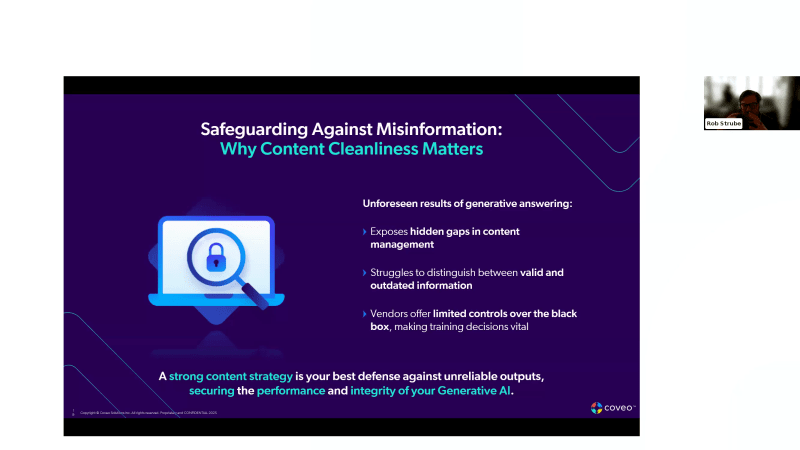
Thanks. So I think we're gonna give it about thirty more seconds. Perfect. We're just gonna give a little bit of extra time so everyone can join, and, Hailey, you'll introduce us and start us off. Right? Absolutely. So welcome, everybody. I hope everyone is having a wonderful rest of their day so far. Good morning or good afternoon wherever you may be. Please use the chat. Let us know where you're coming from. AI I hope we will have a jam packed agenda, which I know we do coming up. So welcome, welcome, everybody. Feel free to, drop your chat and your location, and we'll get started in just a few moments. Hello. Welcome from Boston. We've got New Jersey, Texas. Welcome. Welcome. Oh, everyone is having a wonderful Wednesday so far. Welcome. Welcome. We've got Connecticut. We've got Florida, UK, Virginia, Ohio, UK, Wales. We've got place people from all over. So with that, we'll go ahead and get started. So, again, good morning or good afternoon, everyone. My name is Haley, and I'll be your host as we discuss today's topic, which is findable, relevant, chosen, how modern search impacts your bottom line. Now this webinar is sponsored by Coveo and WearAware and hosted by VIB. Today's webinar will be about forty five minutes long, and we'll save the last fifteen minutes or so for q and a. Please use the q and a box at the bottom of your window to ask any and all questions, and we'll do our best to answer those at the end of the presentation. And we do have a great poll question coming up very soon in the presentation, so please ensure that your pop up blocker is turned off. And without a further ado, I'd like to introduce our speakers today. We've got Patricia, marketing manager, workplace and generative AI from Coveo. We've got Rob, associate director of engineering with WearOware. Alright, guys. You may take it away from here. Amazing. Thanks again, Haley, for having us, and thanks, Rob, for joining us today. Hi, everyone, and welcome. I'm so thrilled that you can join us for today's session, findable, relevant, and chosen, how modern search impacts your bottom line. If you're here today, you likely have really incredible website content that you're looking to share and to make more discoverable. And, of course, even the best content can underperform if your customers can't find it or worse if it doesn't drive action. And so today, we're going to explore why digital engagement often falls short, not because of the content that you've created and its quality, but because of how it's discovered. We're gonna dive into how AI powered content discovery, intent based search, and generative answering are helping brands connect people to the right content at the right AI, and what that means to move from a reactive delivery to proactive business driving engagement. And, of course, I'm joined by the amazing Rob Strode, an associate director of engineering at Wear O Wear, which is a digital agency that's helping clients to unlock the full value of their content through smarter experiences. Rob, thanks again for joining us today. Do you wanna tell us a little bit more about yourself? Yeah. Sure. I've I've been working, in software as a developer for over twenty years now, and I guess I have a specialization in integrations, complex back end integrations, as well as search technologies. I've worked with a lot of different platforms. Coveo just happens to be one of my favorite search platforms, so I'm kind of become a little bit of an evangelist for it. And I'm excited to sort of share what it's been like to work with the platform, like, in the trenches with the development team actually implementing, you know, excellent search. So Thanks so much. It's an honor and a pleasure to have you here, and I'm excited to learn more about your expertise. And, of course, for those of you don't who don't know, Coveo is an AI powered search and generative experience company that's existed for about more than twenty years now. We have twenty years of search experience and more than a decade of experience in AI and innovation and knowledge discovery. And so we're so happy to have you here today. We're also gonna do some quick, some quick housekeeping. And so AI Haley mentioned, of course, you're going to have access to the q and a panel on screen, and we'll have a q and a section at the end of today's presentation. If we miss any of your questions as well, we'll follow-up later with you via email, and this webinar should be available, for you, the prerecording in the next few days. So thanks again for joining us. So we're gonna move on to the first section of our webinar. So, Haley, we're gonna be setting up our poll. And the first question that we wanted to ask you all today is what are some of the biggest challenges that you're currently facing when it comes to content discovery at your organizations? Is it that content is fragmented or lives in too many systems or that your current search tool isn't powerful or intuitive enough? Maybe it's hard to use and a little bit confusing. Is there a lack of good analytics to measure the effectiveness of your search experiences and your content journey? Are you unsure how to integrate AI or advanced features effectively into your platform? And is content not well structured or properly tagged? So we're just going to give you a little bit of time to answer this. Alright. Let's give it fifteen more seconds. Gonna sip my coffee. Alright, Hailey. Let's close this poll and take a look at the results. Oh, this is interesting. Yeah. We've got some great responses for the the quiz. So, we do have the first question here on is how does your organization assets whether customers find it easy and what they need. We've got some great results from that. It looks like the top contender is that they occasionally review search and engine analytics, but lack consistent tracking. Second question is discovering a core part of your business strategy. That is up there with fifty two percent somewhat AI, is recognized as valuable but not fully prioritized. Mhmm. Three we have is what are, the best AI your organization approaching to personalized search results and recommendations? That's at the top answer. Forty three percent are we have some personalization, but the rules is based in static. Question four, we has a view caused all paid advertising today. How confident are your organization discoverable efforts would still drive engagement? That is at forty seven percent with somewhat confident. And then question five is what is your biggest challenges preventing discoverability improvements in your organization? The top contender, even though it was very close for three categories, is lack of ownership. These are so fascinating, and these are some great questions. I hadn't expected these, but I think a lot of this makes sense, like, especially the analytics and technology gaps. Rob, what do you think? You know, I think, analytics is and data data collection and data reporting is something that I believe is absolutely essential to deliver, high quality implementations. And, actually, I wanted to just mention, like, one thing that we try to do at WearAware is rather than just sort of build something based on sort of a hunch or a feeling or an intuition, we are trying to use a completely data driven approach on what works and doesn't work. Oftentimes, like, I've made this mistake in the past as a developer. I'm like, hey. This is gonna be great. The customer is gonna like this. And it turns out that it's actually not what I expected. But actually having data and collecting data on how your customers are interacting with your site, that is sort of the gold standard for a successful implementation. Or if you're making tweaks and refinements over time, you wanna use that data to drive those tweaks and refinements. So, yeah, I think that it's a it's a lot it's oftentimes it's missed by organizations. They're so focused on, like, building that they don't stop to ask, like, is what we're building actually effective, and does it solve problems? So I would I would agree with that. Completely. And I think too, yeah, continuously learning from all of your search experiences, being able to deliver content that is really tailored to your customers is so important. And also being able to show the ROI of your different search initiatives too internally to show that this technology is working is is always great with analytics. So thanks all for participating in these polls. This this is so helpful and fascinating. We have a great audience size too, so this makes for some great stats. Well, wonderful. So before we jump into the interview portion of this, presentation and webinar, I figured we would take a short second to talk about the elephant in the digital room, which is content findability. Now AI organizations spend thousands of dollars a month, doing content marketing, which is a huge amount of money to be spending throughout these different initiatives and this is a very important investment. And what we're finding is that in the age of generative AI, chat GPT, and LLMs, we're creating more content than ever before, to feed this demand for personalization, self-service, and these always on digital journeys that are really tailored to each and every individual. Whether it's marketing content, support documentation, product specs, video tutorials, or even internal knowledge bases, knowledge is everywhere and it's both structured and unstructured and transforming in this new digital age. But here's the truth. It doesn't matter how good your content is if your customers and users can't find it. When users, whether they're customers, partners, or employees come to your sites, portals, apps, and more, they're not just browsing aimlessly. They're coming and searching with intent. And so they're trying to solve various business problems to make a decision and move forward. And if they can't immediately find what they need, they're going to bounce and escalate or maybe go somewhere else, which brings us to the real challenge, which is content, not just content overload, but this content fragmentation, this unstructured data, this unstructured nature of it all. And so your most valuable content lives in silos across various CMSs, knowledge bases, DAMS, commerce platforms, and even more. And when search doesn't unify these experiences, users are left frustrated, teams are overwhelmed, and your content underperforms. And so that's why findability isn't just a user experience issue, it's also a business issue. It's going to have large impacts on conversions, support costs, retention, customer loyalty, and employee productivity, and the list goes on. And I think there's a lot of opportunity, not just to make content findable, but relevant, personalized, and surface to people at the right moment where you can unlock massive value from what they're already invested in. And this is exactly where companies like Coveo and Wear O Wear come in, and I'm so excited to be interviewing Rob Strube about this today. So let's dig into where Wear aware is tackling these challenges head on and hear what they've learned from implementing AI powered search and discovery across these industries. So, Rob, thanks again. Can you tell us a little bit more about WearAware's priorities for this quarter when it comes to delivering digital transformation for your clients? Sure. And I'll try to keep it succinct. I think what we're and I I kind of alluded to this earlier. We are truly a we're a full service agency. Right? So we do, design, reporting, analytics, and complex technical implementations. But one of the things that we've really shifted into, within the last year is kind of flipping the paradigm upside down and starting with outcomes that the customer wants. Like, where are the friction points? Like, what, like, what do the customers complain about on the site? And and using that as sort of our guiding light for everything that we do. And then again, we don't wanna do it sort of blindly. I always tell people this story. Several years ago, I worked on a very large ecommerce implementation that search was a very big part of it. They had hundreds of thousands of products. And, afterwards, when we launched it, we were really excited. Everyone was, you know, congratulate. We had a party. And then I was like, so, like, what what do you guys think of the site? Like, what are the customers think? And everyone looked at each other like, we don't know. You know? Like, we we didn't really think about we were so focused on building the site that we didn't think about measuring, like, the benefits of the new site. So I think, that's really where we're focused is making sure that everything we do, hopefully, we can trace it back to data. And then, of course, AI has completely changed search. WearAware has a lot of very or excuse me. Coveo has some incredible features built into the platform that I think are just gonna make search much more effective for your customers. I was actually I'm kind of an amateur, sort of working on my camper van, and, I needed to source some parts from some auto stores over the weekend and all of their search platform AI their search platforms were pretty painful to work with. There's a lot of friction to find what I needed to find, so that's a good example of where it took me much longer to find these particular parts, and I had to sort of game the system by changing my query terms over and over and over again. So it's a good example of where I think those companies could could ease the friction for their customers trying to find and actually just give them money. So hopefully, that I know I rambled there. Excuse me. But, hopefully, that answers your question. I love that. I hope your camper is doing well. Still work in progress, but, hopefully, I'll find the right parts. I feel you. Yeah. Having the right parts when it comes to your camper's engine and your search engine, all of these things are all interconnected in exciting ways. And so can you tell us a little bit more about how Coveo fits into your broader approach when it comes to building these high performing digital experiences for the AI that you Yeah. So one of the things that we've noticed with many of the clients that we work with, they have a lot of as you said, they have a lot of siloed content across different systems. Unfortunately, the reality is some of the systems are legacy or homegrown systems with custom databases. They've been there for years, and there it will be extremely painful to to sort of move that content or data or AI it into a single platform. Not that those aren't admirable goals. Right? But, there's this there are reasons for not being able to move it, and even if that is a long term goal. So one of the things that Coveo really shines, at is being able to ingest content from many different sources. And I I'd be happy to talk more about this, but Coveo has this really neat sort of AI. It has a very it has a wonderful connector system that lets you connect to both, kind of very popular platforms. To be honest with you, we've been using the more Agentic REST API and GraphQL connectors as well as the agnostic database connector to be able to essentially connect to and ingest data from virtually any system AI it can, expose that data via kind of a standard mechanism, whether it's rest or graph or, like, it's sitting in a legacy database. So I think this was one of the reasons that we picked Coveo for this current implementation that we're working on because they do have that information spread out across many different systems. And so that would be, I think, one of the the main reasons we chose Coveo, just getting the data into the system. You don't really we we didn't really have to write any code to get that data into the system. We were able to use the tooling and the administrative user interface that Coveo provides to essentially set up content ingestion pipeline or, excuse me, sources that sort of ingest the data into Coveo. And then we're able to visualize that data, which is another thing that can be kind of painful, understand how the data is coming in. Maybe we clean it. Maybe we massage it. So all that tooling that Coveo offers just to get the data into your search index was really, really powerful, and it saved a lot of time on the implementation side. It also let different teams focus on different sources. So the client, for example, they own the source that pulled in data from their legacy database. We own the source that pulled in data from Optimizely CMS using the GraphQL connector. And in addition, I think, you know I'm I'm sorry. I'm kinda going on here, but we also, of course, wanna have really good relevancy, for the so not just getting the data in. And so we are we are planning to leverage a lot of those advanced features now that we have the data into Coveo in a clean form that's well organized. We are gonna now build search interfaces using, using Coveo. Finally, just for the developers out there, Coveo does have some excellent UI tooling, especially if you're working with, like, React applications or React Next applications that save us a lot of time. So we're not building the AI from scratch, the search UIs from scratch. So we can sort of take those components. We can style them. They can be configured, and that would let us build search interfaces much quicker than if we were to kind of build them from the ground up. I know I gave you a lot there. I love it. Please say more kind things about us. Thanks so much for this, and I completely agree. And I think, you know, we're gonna talk about this a little later on, but I think it's a great time to talk about these connectors too. Yeah. You refer to them as agnostic. We talk about them as universal, but that whole experience of being able to index content from any source is so important and making it user friendly, not just for low code users, but also for these Procode power users. Can you tell us a bit more about how Coveo's universal connectors help to shorten these implementation timelines or simplify these integrations? Yeah. Sure. I mean, the interface for configuring them is quite straightforward. So you obviously need to understand the data that you're ingesting. I wouldn't say there it's more configuration than coding. So for example, the graph connector, you need to understand sort of the schema that the data is being exposed as. And then Coveo kind of walks you through kind of a wizard within their administrative tooling where you can, define sort of a the schema. There's sort of a JSON configuration. And then, again, you can pull in the data into the index and visualize it, and then you can refine it. It also gives you the opportunity. You can do things a couple different ways. You can, like, preprocess the data that's being sent to Coveo, so you can kind of do it on the source system, like clean it or munge it or Coveo in that sort of source interface. It lets you kind of do, some data cleansing in there as well. We chose to sort of do that on the source side because we had sort of full access to the way that we were presenting the data to to Coveo. So configuring the connector was even easier for us. We didn't really have to do any data cleansing or munching of the data. And we again, we are using three of these universal connectors. We're using the graph connector. We're using the REST API connector, and we're using, the, like, the database direct database connector that lets you connect to an underlying database schema or a table and pull in the data directly into the index. That's so interesting. And I liked what you said earlier too about these legacy systems. Man, a lot of companies must be dealing with digital transformation these days. I imagine that makes a great part of your clientele as well. Definitely. Yeah. I mean, in a perfect world, people would move to systems that are more established. Right? And Coveo does support, like, I will call them, like, off the shelf connectors that if you have data in Salesforce, like, you can pretty easily connect and ingest the data into Coveo. But the reality is most clients that we've worked with, they're just they're still getting there. Right? They they've they have a lot of homegrown systems. And so this this is very useful for us to be able to work with, you know, for those clients and not have to do a huge project to migrate their data into kind of a a more, standard or, like, well established system. For sure. And can you tell us a bit more about your experience with implementing Coveo, but also the ongoing maintenance of the systems that you tend to develop? Yeah. So and and I probably put the cart in in front of the horse when I mentioned the the the UI toolkit. So I think the, my experience with it has been, you know, we are using a React, Next. Js four tier architecture. So we kind of have a front end application with the Next back end that's connected to, like, a dot net back end that ex that has graph, graph services, basically exposing the data via GraphQL. And so Coveo fit in really well with that architecture. They they have something called the anatomic library, which is essentially, it's a set of premade React components that are, like, skinnable, themeable, AI, and somewhat configurable. And I would say those components, like, cover the vast majority of your search UI that you would build. It is also possible to sort of build your own custom components. So So they have kind of a they have a at the very top, they have something called a search builder, which is a completely no code solution where you can build, just a very straightforward search UI that in many cases would work for for an implementation. And, you know, you put that together, it's just configured, and that's your search page. We below that is you can build your own search UI using the atomic library, and that's those app aforementioned sort of React components off the shelf. So they play really well, if you're using a more modern, like, basically, front end architecture. Below that, there is you can build your own custom React components. They provide, you know, access to, you know, basically an intermediate layer. So they provide sort of a JavaScript SDK, if you will, that would let you make calls to Coveo, APIs and things like that. So they sort of abstract that. And then AI finally, which I don't think most people would do, but it is available, they actually do let you go directly to the rest API. So if you had a highly custom solution where you didn't you know, you you couldn't use JavaScript or you couldn't use one of those higher level, layers, you could go directly to the rest APIs. We've been focusing mostly on the React AI, but, I so I'm not as familiar with some of the other tooling that you might have for, like, other frameworks AI, dot net MVC or something. I I just didn't look into that. But that's been our experience with with the Coveo, and it has been really helpful. It just accelerated our our development a lot more. And then the final thing I really like about it is being able to visualize the data very easily, once you bring it in. So there's a kind of a tool that you where you could it even presents facets and shows you the values and things like that. So you can, before you invest a lot of time into building a search UI, you can really look at the data, cleanse it, make sure it's high quality and things like AI, and that tooling is excellent. Hopefully, that answers your question. I love it. Yeah. Thanks for this, Robin. I agree too. Like, there's so many different approaches when it comes to building a UI with Coveo. We have the prepackaged out of the box way of building a UI. And I think part of the beauty that comes with Coveo is that we have so many wonderful customers who are the world's leading brands AI Dell, for example. You might be navigating different AI, and you might not even be aware that Coveo is part of that interface or powering that, because there's such a high level of customization and branding that can be achieved there. So I'm happy to hear that you're you're enjoying that as well. And, again, also learning from those experiences and, like, the the facets as well. That's that's really great. I think too, I'd love to know, are there any particular use cases or industries where you've seen Coveo's flexibility and composable architecture AI the atomic library? Have you seen examples of this being, especially impactful? Yes. So I think that probably the the most helpful or or ecommerce, of course, is an industry that I think, especially if you have a large product catalog, it's super useful. Like I mentioned when I was trying to source a part for my my old camper van, I was pretty frustrated working or, like, searching across these various sort of automotive parts, suppliers. The the the interface and the results just weren't very relevant. So, of course, like, I think ecommerce is a primary a primary use case for for Coveo because the relevancy and helping drive the customer to the product they actually wanna purchase is is super important. But in addition, what I think we're kind of AI has sort of changed the game is there's this this, and I and I I hope that, you know, we're gonna we're gonna start to leverage this to a much higher degree. So this is something sort of on the horizon for us. But, so I wanna be clear about that. But from, what I've read and from the demonstrations I've seen, the sort of the ability for a customer to use more natural language and then have I think it's called a smart snip snippet. Correct me if I'm wrong, Patricia. But Yeah. If a oftentimes customers come to the site and they they have very particular questions. Right? Like, they they're maybe your site's large. Maybe it's, you know, they the customer's impatient. They just wanna kind of get where they want to go very quickly. And so be by allowing them to search with, like, a natural language question and then providing sort of an answer sort of upfront or maybe it's a a bunch of steps on what you need to do, sort of you could handle potentially a lot of technical support, directly via search. Also, I think just in general sort of across industries, the search has really changed, especially now with AI. You know, I'm I've been in the game for a long time. So when I used to search in Google, I wouldn't search with natural language. I would search, like, with keywords, with pluses and minuses. You know? I'd sort of AI think people called it Google fu where you would you kind of you would ask your question in a way that a computer would understand. I think Coveo, what it its support for natural language questions is really, really important because people are used to going to, like, chat g p t and typing in a question the way you would speak to a person. So I think, you know, that is super important across the board across many industries, and I think that's really gonna separate, like, a clunky search experience from one that especially younger folks that are have fully embraced AI and chat GPT and chatbots, they're gonna expect to be able to type in a question like a natural language question. This is so helpful. Thanks, Rob. I agree. And I think too, you totally touched on it. The way that we're searching is changing so dramatically. Technology is is technology is moving at such a fast pace these days. Like, change management has never been more important. The way that we search is also transforming. You're completely right from keywords to questions. And I think there's so many different audiences that are still gonna search in different ways. There's those generational differences. There's those younger audiences that have grown up with chat GPT. It's gonna be interesting to see that in a few years, how all of that Yeah. Evolves. But for sure, like, at Coveo, I think one of the areas we're most proud of is our generative answering solution, which we see as the next evolution of search. And so it's taking that progression of not just delivering those answers to you, but having them either in steps or in a formulated answer. And then if you have content that might be part of a more regulated, or secure industry that needs, AI, a higher level of specification, we can have those smart snippets as well to just give you the exact passage too. And so this this is really great. And so when we talk about Gen AI, I think a a common trend we've seen for Gen AI is that Gen AI is only as good as your content. How do you help your clients get their content AI ready? Yeah. That's that is something that I I feel, is important to to talk about because it's not just a band aid you can slap on on like, if the data isn't great, AI is not going to solve all your problems. I know it's an incredible technology. Right? And so I think what we have done is we sort of start with the fundamentals. Right? We start with getting the data into Coveo from different systems, AI sort of global data across those various systems that would be common data that the user could search on, really nailing the core data architecture, core filtering, core sorting, core relevancy search. Once you have that in there and Coveo does have excellent tools to view and, again, like I said, cleanse the data and things like that. Right? So visibility into what is being indexed, is is really important to sort of get that content in there. And that's an iterative process, by the way, too. Because as I mentioned, you might solve some of your content cleansing on the source system as you expose it to Coveo. Coveo has different ways of writing, you know, custom code, to cleanse that, like, that data as it comes in via that source, or custom configuration to kind of help cleanse that data as it's going into the index. But once you so those all of that tooling sort of sets you up to have a good quality set of data. Then once you have that data in the system, it's it's the natural evolution is then to sort of start to layer down, some of these more advanced AI features. But, yeah, I do I do think you kinda need to nail that first part, and that's what I I personally like as a developer being able to visualize and even, like, prototype very rapidly. There's a there's sort of a prototype sort of search interface where you can filter, sort, search on the data before you even have to build anything. So, I think that's super helpful. So you're not building something and then, like, prototyping it, and then you can change it or change the sources and things like that. So, yeah, hopefully, that answers your question. For sure. Yeah. Testing, testing, testing. If your content isn't ready for for external audiences, you can definitely risk exposing all sorts of strange things to the public or or even giving a miss like, creating misinformation as well. So I completely agree. And I think too, it's like if a human can't understand your content, neither will the LLM. It can only work with the amount of information that it has. So I completely agree. And I love that you touched on as well the different tools that Coveo provides, to help not only navigate content, but also scope it as well. We can think about it too by timeline or source as well AI dates. So there's a lot of great opportunities to try to control and to even, help to rank search results a little bit higher based off of that relevancy and that personalization, and those can go a long way to your right to address a lot of these concerns. Man, AI Slob is going to change a lot of things. Yeah. Sorry. You're saying No. Definitely. I think, one thing that, you know, I did mention is sort of once you get the data in, into the system and, again, that's a that's an iterative process. It's you're not gonna magically if you've got kind of slop coming in, you're gonna get slop coming out. But, once once you get the data in there, there is a a lot of opportunity to kind of use knobs and levers to sort of weight data or make things more relevant relevant. Clients really love that. Again, start with the data, nail the foundation, then they can go in and sort of, kind of use those levers to sort of help personalize rank, make things more relevant, within within the Coveo sort of in, administrative interface. Those things are really, really powerful as well. So, yeah, I think that's that's a that's an excellent point. Mhmm. Thank you. Yeah. We like to call those levers and rules our query pipelines. And so, yeah, if anyone's interested in learning more about our AI models, we're fully transparent about them. They're all fully named. We have things like dynamic navigation experiences. We have things like the smart snippets, as well as yeah. We we have several of them, and they're always fun to play with and to experiment with and to develop those more personalized experiences. And what I love especially about things like our automatic relevance tuning is that they learn from the most popular search results and the most successful ones over time, and then rank those search results accordingly. But and that's about Coveo. Oh, you go first. Yeah. I I one other thing was, another thing that I think is really helpful is the reporting analytics capabilities are AI of built into the platform. So, of course, you can do a lot of like, you can use Google Analytics, or Google Tag Manager to kind of feed a lot of that data into more traditional analytics platform. But it is super helpful to see specifically scope down on the way users are using search. And you'd be surprised, like, some of the things you discover. You might think users are, you know, searching on particular terms or keywords or, like, specific particular questions. And then when you actually look at the data, it's different than you expected. So, there's a lot of kind of, and I've sort of just begun to scratch the surface with this. So, we're sort of using the more basic capabilities of this right now, but it is going to be a really big part of the way that we modify and tweak search, especially things like, relevancy, you know, relevancy tuning, things like that, based on the data of the the reporting data that we collect. And it is nice not to have to. You can, of course, still do all that more traditional integration stuff with Google Analytics as well, but it is really nice just to have it in one place specifically for search. Thank you for this. Yeah. It's so funny being the product marketing manager for Coveo's workplace solution. Oftentimes, we find the most popular search result internally for a digital workplace's vacation days. Oh, interesting. Yeah. Everyone wants to know when their next holiday is. And they really AI that. Based on what's their location. Yeah. Amazing. So enough about Coveo. I wanted to know, can you share some examples of a specific implementation you did for a customer, maybe involving Coveo that helped to make this project more successful? Sure. So, there, there is a customer. I I don't I I AI don't I don't wanna mention their name because I think this particular customer, you know, I I we I don't know if we formally got permission to mention them, but they had a very large, ecommerce catalog with, hundreds of thousands of parts in it. And, one of the things that they that they noticed was that, this this this parts catalog had a lot of very, very specific source detailed specifications. And they really wanted to this was actually a b to b customer. So they're basically they're, OEM, like, partners, like, aftermarket partners were querying Coveo and, like, looking up those parts using the specifications. So we created using Coveo and bringing the data and cleansing it, we we created a a system that basically made it much, much easier for these OEMs to be able to source, these these various parts using these very technical specifications. So that was much more of, the the friction point was, like, helping the the these aftermarket partners, these b to b partners to get to the parts that they needed to order from a huge, like, a huge, you know, three hundred thousand to five hundred thousand part catalog. So that was one implementation that came to mind. The current implementation that we're using Coveo for that I'm actively working on is for this membership membership association called Young Presidents Association, YPO, and it's basically for executives that, want to just, you know, advance their organization. And one of the things that we're using Coveo for here is if you are an executive and you wanna hire a speaker to come speak to your employees, they have what's they have, basically, a a contract agreements with all these various speakers on many, many different topics. Some of them are motivational speakers. Some of them are experts in things like blockchain or or AI. And so, they have I think they have something AI fifteen hundred different speakers, and there's a lot of different parameters on those speakers. You know, what their sort of expertise is, how much they cost, of course, they're gonna charge, and you might wanna filter on the the speaker rates and their location, all of those different parameters. Their current implementation, which leaves a lot to be AI. It was built a long time ago. So it was difficult for people to kind of narrow down when they wanna hire a speaker to come to speak, speak to their their employees. And so this was a big friction point. And so we're hoping this is still an implementation that's ongoing, but the results so far have been really promising. We are hoping that, basically, we can increase the number of engagements with those speakers. In other words, people can find the speaker that they wanna hire for their organization quicker and more efficiently. And that's that's our goal. So That's wonderful. Yeah. People search is incredibly important. Getting those speakers in front of the right people. And were you saying too that they were searching for specific, like, time frames and availabilities? Are these Yes. AI, almost like having the Calendly link. Yeah. Yes. Exactly. That is a part some speakers have essentially, like, block out time frames or they have time frames when they're available to be hired, and that is part of the filtering. It can vary a lot. Oftentimes, these speakers, they're they're fairly well known individuals, so you would kind of contact their, like, their booking agent for lack of a better term. You know, you might search and you might find, oh, this person will be perfect because they're an expert on business and this. They're located here. You can see what their travel range is. Like, some of them are gonna say, oh, I only travel within Europe or I only travel within the Americas. And so all of those parameters are are are now part of are going to be part of this ongoing search implementation. But, but but, you know, to be honest with you, I think you would first sort of narrow it down, and then you'd reach out to the booking agent for some of these speakers Yeah. Because they they're, you know, they're, they're just they're they're, well known enough that you would go through their their their Agentic, essentially, to book them. Yep. Yeah. I'll have my people call your people. That's fantastic. Yeah. Not all of them have booking agents, but, certainly, those the what more well known ones do. Yep. That's fantastic. I feel like I would pretend to have an agent, but it would just be me with a different email. I'm like, oh, have my assistant, have my assistant, Patrice, answer. Yep. Exactly. That makes a lot of sense too because there's countless parameters then that you have to surface and juggle, and that that is a lot of work to do. That's a lot of architecting. So that that's fantastic. Yeah. Yeah. So then Yeah. Yeah. This is I was gonna say that the speaker data that we've, pulled in, we actually interestingly enough, like, we in this case, like, the speaker the source data for the speakers is in this separate system called Airtable. It's kind of like an online database. And, we we considered pulling that data directly into Coveo. We could have done that using the Agentic rest API source, but we actually also need to present that data, AI, the speaker, let's for lack of a better term, like, the product detail page, which would be the speaker, like, because you're purchasing the speaker. And so what we actually did was we pulled that information first into the CMS into Optimizely. And then from there, we can get into Coveo over the graph connectors. So there was there's a lot of data for the speakers. Like, they have, you know, headshots, videos, like, a ton of meta AI, like you said, their their their pricing, whether they can travel, you know, their agent information, all of that stuff. Some of it we search and some some of it we filter on. Others we just use for relevancy. So but, yeah, there's a ton of data, and, that's a big part of the implementation, hopefully, making it successful. For sure. And, yeah, making that making sure that data is speaking to each other, that interoperability aspect. And so how do you approach building a search strategy that aligns with both this content quality and user intent? That's a really good question. I think, you know, one of the things that you need to consider is especially with and I and I believe you use the term federated search or those the idea of pulling data in from different sources. At least that's the term that I've I've always used. One of the things that we we wanna we want to also support on this new implementation in addition to searching for speakers, we wanna have kind of a an omnisearch that's going to present sort of all results, including speakers. By the way, we're also bringing in, events into Coveo, and that's a source, called Agentic, which is a event management system that the client uses to, like, officially post events that, people can RSVP to. And so we have sort of the general CMS page content, like informational content. We've got speakers. We've got events, and a couple other different content types. And, one of the things that we try to do is we try to take a look at all of those different data sources and find kind of commonality between them. So, that can that's more of a data architecture exercise. So, for example, Agentic might have, like, particular fields that are pertinent to Agentic. And then, of course, we've got our speaker data that has, data that's pertinent to, to just the speakers. There's gonna be some sort of common, for lack of a better term, AI, body that exists, AI, the event description and the speaker sort of bio. Like, we're gonna say, okay. For speakers, like, this is, like, the meat of the content that we're gonna do relevancy searching against For events like this other field, which is called something else, we're going to sort of that's gonna be our main sort of body element that we're gonna do relevancy searching against. And so finding that sort of common middle like, common sort of set of data across these different sources will will make the all all search or the I call it the omnisearch results where you have sort of a heterogeneous mixture of different types of content on a single results page. It'll make that much more effective. Currently, the client has, like, separate search for speakers and separate search for, like, Agentic, and it's not unified. We will still support, like, if you go to something called the speaker directory, we will just limit the results to speakers. And if you go to, like, the event listing, we will just limit the results to Agentic. But a big part of it is one central search where you can get both speakers and events and other content. So that's a the data architecture really needs to be nailed there. And sometimes it can be tricky to negotiate what are the common fields that you wanna support on Omni Search. Agreed. I feel like the Miro board for that project must be AI, like figuring out all the common threads. You're going in with, like, your red yarn and pinning everything together. That's very cool. And so I just wanna be yeah. And okay. I wanna be cognizant of our time. I'm gonna ask two more questions, I think, before we launch into the q and a. But for sure, Coveo's approach to unified search, omnisearch, unified search is definitely bringing in all of that content from countless sources into one page is always incredibly helpful. And so what metrics matter to you the most when it comes to proving that AI powered content discovery, can help drive these real business outcomes? What are some search metrics that matter the most to you as an SI? Yeah. So I I will put my cards on the table. I'm definitely not AI an analytics or, you know, expert or reporting expert. We actually have a dedicated team at AI that sort of handles that. So, I would say for me, my goal is just to make sure that we collect the data. So I'm much more of the engineer making sure that we're collecting the data. But I I do know, you know, a little bit about, you know, I don't know the exact term, but, like, you know, basically, click through. Like, is are the users executing a term and then clicking through to the result and, like, looking at that detail page or whatever the, you know, the ultimate origin that you wanna go to. And, also, you know, ideally, the user would be not paging very much. So, you know, I think you've kinda lost the battle. I I should I should, you know and, like, again, my camper van sort of anecdote where I was looking for, a silicone radiator hose. I know it's very specific. And I was going, like, deep, like, ten pages in search results. It was very, very frustrating. The relevancy wasn't, wasn't great. So I would find stuff deeper down in the search results that I felt should have been, like, near the very top. So I think if the users are paging a lot in your search results, that's probably a sign that you need to rethink the relevancy, of your search results or that maybe you have some data issues where you're not, you know, you're not really, like, actualizing that data in an efficient way. So I think those two things but, again, I am not a reporting and analytics expert. We have a whole team. My job is just to get them the data on the, you know, on the terms and on the click throughs and things like that, so that they can they can really actualize that data. That's so helpful, though. Like, the way you're describing it is so incredibly illustrative of how important it is too with any sort of product or software implementation is to start recording those metrics and to get those analytics at the beginning so you can track its performance over time. Not everyone does that, and that can be really hard to justify those costs later on. Yeah. That was that anecdote I gave you about that one year ecommerce project when we launched it, and we're like, is it better? We're like, we don't know. We don't know. Totally. We could just we could track the sales, and they were Mhmm. They were, like, marginally better. So we're, like, I guess it's not worse. But yeah. So I think I think it was that was many years ago, but that was a real light bulb in my head that, like, we need to sort of build in. And and Coveo, to to its credit, does have excellent reporting cape like, capabilities built into the platform specifically related to search. If you use especially if you use the Atomic, library that I mentioned, it's all sort of built in. It's, like, baked in. If you AI go a more custom route, you might need to bring your own reporting, but I think the Atomic library will will handle, like, you know, the vast majority of search UIs that you would need to create. For sure. And you can export Coveo's analytics into Snowflake as well. So I do not know. Take my marketing hat off? No. That's awesome. I had no idea. Yeah. So, as we close off, what are some trends that you're starting to see across your client base when it comes to things like search expectations, personalization, or self-service? And what are some of your priorities or not AI. Like, what are some of your goals for this coming year? Yeah. So, it we touched on a lot of these things in the prior questions, questions, but I think the the real change in expectation is switching more from a keyword based search to more of a natural language search. Right? And so my I've been working with, the search technologies for a long time. Like, I've worked a lot with Elasticsearch over the years, Hawk Search, a bunch of other, like, homegrown search solutions. And most of those, you know, when when I built them, they were much more keyword driven. In fact, when we when we did testing and reporting, we were like, what are the keywords that the user is entering? AI, you know, and we would try to, like, tune relevancy around keywords. The the thing that I think is really changing, we touched about this, is the natural language searching where people are going to talk to the search as if it was just like they were talking to a person. Like, they'll ask a question with a question mark. And I think over the next year, I really wanna really embrace that a lot more, and I'm excited to leverage a lot more of these these, kind of value add or AI enhancement features that Coveo has in our implementations. Again, I wanna stress that you really need to nail the foundation, the core data architecture, nail the sources, nail the query pipelines, all of that stuff, and then you can kind of layer it down on top and make it even more more effective. So that's sort of my goal for the next year is to fully make that transformation from, what's called a keyword search to a more natural language search. Amazing. Here, let me just check that my woah. Sorry about that. Oh, you're Okay. I'm still connected. I almost dropped out for a second. That was terrifying. Thanks so much for this, Rob. I really appreciate you speaking with me today. That that's so encouraging. It's true. You have to get the foundations right before you can get ambitious. And and really, if you're looking to future proof your tech stack, there there is a lot of work to do. But it sounds like there's some great SIs that are around that could help you with that. So thanks again, Rob, for this wonderful, insightful, and really encouraging conversation. I I really appreciate everything you had to say about our product. We're gonna jump into the q and a very soon. But yeah. For everyone who's tuning in, I think the main takeaway is that your content might be great, but if it's not findable, it's not actionable, and it's not going to lead to conversions. And if it's not actionable, it's not gonna drive these results that you need to drive your business forward. So again, you don't need to have more content. You need this discoverability, this relevance, smarter tools, and smarter SIs that can really help you surface that right information at the right time. Whether you're leading marketing, digital experiences, IT, or operations, content discovery belongs in your digital strategy, your tech stack, and your budget. So let's jump into some of these questions. I'm gonna take a look at the panel on top here. Okay. These are some great questions. Let me see. First, let's start. Rob, can you tell us a little bit more how Wear O Wear helps organizations decide when it's time to modernize these search experiences? You know still. Yeah. Yeah. A lot of times, it's if I'm honest, it's very obvious to sort of everybody. AI, the the client that we're working with right now, you know, they were just sort of they came to us and showed us their their sort of cert is sort of a disjointed, not unified search. Like, again, searching for events over here, speakers over here, AI of general constant over here. And then they've just gotten sort of manual feedback. Many of them don't have good reporting or analytics, but they the customers have literally just complained or, you know, we have clients come to us all the time and they say, our customers are using Google to search our site. They're not actually using our site search to search. And then, like, that's, like, a clear indication that you've got a problem where the the customers will will search, like, you know, AutoZone parts and then, like, the part name, and then they'll use Google to sort of get to the product detail page. So those are sort of the key at least for me, those are the things that I've noticed. I I haven't worked as much with clients that are further on down the line with their search implementations. That's probably more nuanced there where, like, let's say they have a fairly robust search site search, but they want to enhance it. Most of our clients are are kind of coming to us in dire straits when it comes to search. So I don't have as much experience with the sort of intermediate group. We're kind of rebuilding search from the ground up for for our clients oftentimes. Oh, the extreme makeover website edition. Yeah. Exactly. Great. So I see a few questions in the chat. I think I can lump some of these together. They're all interconnected. When we think about what the Coveo AI relevance platform is, this is really Coveo's, knowledge discovery solution. It's built off of our unified hybrid index, and it's really our approach to search and being able to apply, yeah, our connectors and AI models to help surface the most relevant content to the most relevant and to the right people. But it's really a large robust enterprise level platform that, can essentially unify content, yeah, from countless sources at the right time is how I would describe it. Agentic is an integral part of our platform, and it's it's really the next evolution of how our search is merging as well. And so currently, we have an offering where our search is right within or sorry. Our generative AI solutions are available right within the search UI, and we're also expanding that as well to different, different frameworks as well, and interfaces. So for example, like chat bots. And I think we have a great question about our security, compliance, and governance. Rob, I'm I think you've had to handle some of this before with our platform. What do you think of our document level, permissions respecting? Has that made your life a bit easier? Yeah. Definitely. It is nice to have sort of first class, and and forgive me if I'm using the wrong term, ACLs, act AI access control lists, and that's what I call them. And that was a big part of this current implementation that we're kind of, working on, is that they have different sort of roles of users, and we want to sort of there are certain pieces of content that users should not see if they're in a particular role. And so having that kind of baked into the platform, you obviously have to read the documentation and understand how it works and send them the data in the correct way. But if you're using, like, some sort of SSO, AI, ope like OpenID Connect, where you have access tokens, where there are claims in there, which is very common today, by the way, to have sort of that role and claim information and authorization information, in something like a JWT access token. Forgive me for getting too technical. But, that can be sort of easily handled via Coveo. Right? So you can say, like, hey. They're gonna pass me an access token. It's gonna define their role claims, and then we can build access control lists for the content that will then restrict this content. You need to be a member of this role to be able to see it. So there there is some work and thought put into it, but it's nice not to have to roll that yourself. In the past, I've had to do a lot of custom data fields that control permissions, and it's nice to sort of have a standard way of doing that. AI I think that's that's an important part. I haven't worked as much with, heavily compliant sort of implementations, hopefully, on the on the horizon. You know, most of the stuff I've I've worked on is more about we don't want this group of people seeing this content, you know, versus, like, a heavily compliant solution. So I can't speak to that. But, Thank you. Maybe you can you can elaborate more on that. Oh, for sure. I wanna leave time for our last question, but we are HIPAA AI. We are GDPR AI, ISO twenty seven thousand and one compliant, etcetera, etcetera, SOC two compliant. We're always challenging ourselves to go further and further when it comes to enterprise security for these large customers. And so the final question I wanna ask to you, Rob, is what role does Wear O Wear play after the implementation, and how do you continue to support clients and their as their content needs evolve? Yeah. So we hope that once we launch your AI, that that's the start of the work that we're gonna do with you. And so our goal would be again, we're taking a very data driven approach. We're using data up front to help guide the implementation. Post implementation, like in the case of this current implementation for YPO, we're kind of we're gonna nail kind of core site search, like AI search or AI or, omni search as I call it. And then the next phase is we're going to roll out a lot of the Agentic features after that. So in that case, we sort of have a two step process, but I would I would hope that we would continue to work with you, and continue to look at the data, look at what your customers are doing, look at what their friction points are, and then make adjustments from there. So that's sort of our philosophy. It's completely data driven, and, yeah, we kind of are constantly improving if you if you wanna keep working with us. Amazing. Thanks so much for that, Rob. And so I think we're gonna end off. I I like thinking about the future. And if any of you are still getting started on your digital journey, I would love to invite you to check out Wear O'ware's wonderful discoverability diagnostic assessment. You can go on this website to essentially, work with Wear O'ware to start to identify these friction points and uncover new opportunities to connect your users with the content they need at the right time. And if you'd like to learn more about Coveo and to see it live in action, you can check out our website demo webinar, which is an on demand webinar with Carrie Anne Beach, our incredible product marketing manager for websites at Coveo, and Paul Sheridan, one of my favorite solutions engineers at our company, to see how Coveo works within your websites. Yeah. And, Rob, anything else you wanna say before we end off? Sorry. I muted myself there. I think the only thing I would I saw one question, Patricia, about, choosing LLMs, and this is something that I I believe you do support several different LLMs. Is that correct? Yeah. We oh my goodness. The we're gonna go over if I talk about them, but we have this one Sure. No problem. I just wanted to guy. Yeah. Yeah. Thank you for this. But I saw the question too, and don't worry. We don't train any of our LLMs or our content based off of your data. Everything is secure there as well. But, yeah, depending on if you wanna build your own system or plug and play, we have countless out of the box and also pro code solutions for all of that. But, if you're interested, anyone who who's interested in this webinar as well, we can send you the product sheet for that too to go a little bit more in-depth. Haley, did you wanna say something? Yeah. I was gonna say if you guys, want to, make this the conclusion, we can go ahead and kind of kick it over to the conclusion if you'd like. Yes, please. Thank you. Awesome. I wanna thank you so much, Patricia and Rob, for today's event, of course, with Kaveo and We're Aware as well. Of course, feel free to book their demo on their website. We wanna thank everyone for joining. We hope you enjoyed it as much as we did. Of course, if you have any questions for us through VIB, please reach out at webinars at v I b dot tech. But if not, I hope everyone has a wonderful Wednesday and a wonderful rest of the week. And, again, thanks to Wearware and Coveo. Yeah. Thank you, Zuma. It was really fun to talk with you, Patricia. So yeah. You too, Rob. Thanks again, everyone. K. Bye. Bye.
Findable, Relevant, Chosen: How Modern Search Impacts Your Bottom Line
This session tackles the real issue behind flat engagement, wasted content investments, and underperforming digital channels: poor discoverability. We’ll explore how modern content discovery — powered by intent-based AI search and generative answering — is helping leading brands connect people to the right content at the right moment and convert interest into outcomes.
And we’ll look ahead. Including where agentic AI fits in — not as another shiny object, but as a strategic shift from reactive content delivery to proactive, business-driving engagement.
What You’ll Learn:
- Why even strong content underperforms (and how to fix it without creating more)
- How AI is evolving — and what decision-makers should actually care about
- Where content discovery fits into your broader digital strategy, tech stack, and budget
- What to measure to prove content is driving action — not just traffic
If your content looks great but your results don’t, you’re not alone. Let’s talk about how to close the gap — and finally make your content findable, relevant, and chosen.


Make every experience relevant with Coveo